 Mary
Mary - The Rich History of the Pacific Railroad
- The Big Boy Locomotive Coast-to-Coast Tour
- The Major Merger Developments Shaping the Industry
- Economic Impact of Pacific Railroad Operations
- Technological Innovations on the Rails
- How Pacific Railroad Connects Communities
- Future Outlook for Railroad Expansion
- Frequently Asked Questions
The pacific railroad has shaped the American landscape for over 150 years, and 2026 is proving to be one of the most exciting chapters in its storied history. From the awe-inspiring Big Boy locomotive embarking on a coast-to-coast tour to massive corporate mergers that could reshape freight transportation across the nation, there is so much happening right now that railroad enthusiasts and investors alike cannot afford to ignore. In this comprehensive guide, we explore seven remarkable breakthroughs that are making headlines and inspiring a new generation of travelers and industry watchers.
Moreover, the pacific railroad story is not just about trains moving cargo from point A to point B. It is about communities coming together, technological innovation pushing boundaries, and economic forces that ripple through every sector of the American economy. Furthermore, whether you are a history buff, an investor evaluating railroad stocks, or simply someone who loves the romance of the rails, these developments will give you a fresh perspective on one of America’s most enduring institutions.
The Rich History of the Pacific Railroad
First of all, understanding where the pacific railroad came from helps us appreciate where it is going. The original transcontinental railroad, completed in 1869, connected the eastern United States to the Pacific coast and transformed the nation forever. In fact, historians often rank it among the most significant engineering achievements of the 19th century, rivaling even the construction of the Suez Canal in terms of global impact.
The Union Pacific Railroad, one of the original companies chartered to build the transcontinental line, remains a dominant force in American freight transportation today. Consequently, when we talk about the pacific railroad in 2026, we are really talking about a living legacy that continues to evolve and adapt to modern challenges. For instance, the company now operates over 32,000 miles of track across 23 states, making it one of the largest railroad networks in the world.
Nevertheless, the history of the pacific railroad is not without its darker chapters. The construction relied heavily on immigrant labor, particularly Chinese workers who faced dangerous conditions and discrimination. However, their contributions are now widely recognized and celebrated as an essential part of American history. Similarly, the railroad’s expansion displaced many Indigenous communities, a legacy that modern historians and railroad companies are working to acknowledge and address.
In addition, the pacific railroad played a crucial role in the settlement of the American West. Towns sprang up along rail lines, and entire economies developed around the movement of goods and people by train. Therefore, when we look at today’s breakthroughs, we see them as the latest chapter in a story that has been unfolding for more than a century and a half.
The Big Boy Locomotive Coast-to-Coast Tour
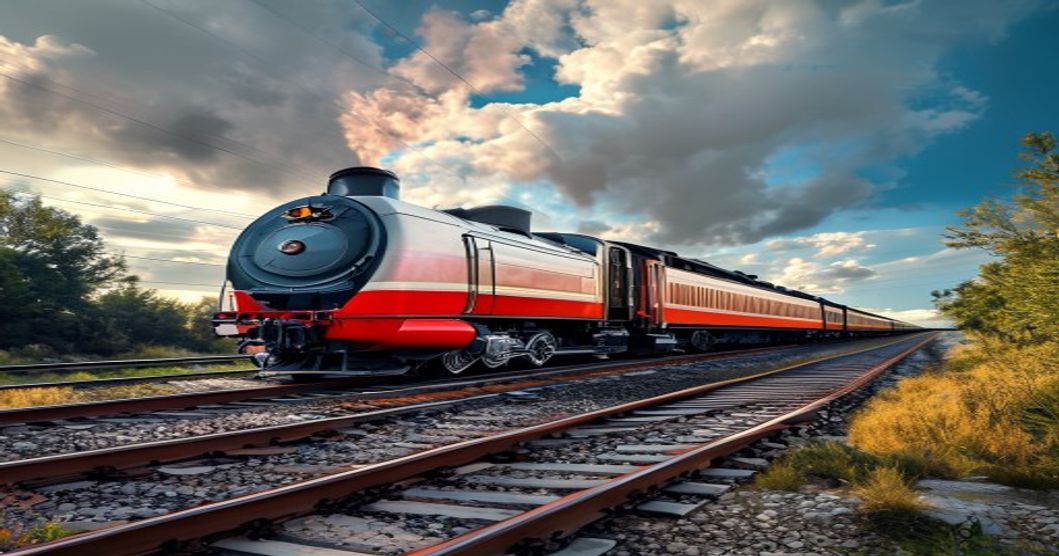
Above all, the most thrilling pacific railroad news in 2026 is the Big Boy locomotive’s historic coast-to-coast tour. Union Pacific’s Big Boy No. 4014, the world’s largest operating steam locomotive, departed Wyoming in late May for a two-month journey that will take it across the entire country. For example, the locomotive has already made stops in central Nebraska, drawing thousands of spectators who lined the tracks to witness this magnificent machine in action.
Moreover, this is not just any tour. It represents the eastern leg of a historic coast-to-coast journey, marking the first time a Big Boy locomotive has traveled so far east in decades. In other words, communities that have never seen this 1.2-million-pound engineering marvel will finally get their chance. The excitement is palpable in every town along the route, with local businesses preparing for an influx of visitors and railroad enthusiasts planning their trips months in advance.
Furthermore, the Big Boy locomotive is a testament to the engineering brilliance of the pacific railroad era. Built in the 1940s by the American Locomotive Company, only 25 Big Boys were ever constructed. Consequently, No. 4014 is one of only eight that survive today, and it is the only one that has been restored to operating condition. The restoration itself took years of painstaking work and represents a remarkable achievement in industrial preservation.
In fact, the tour has generated incredible enthusiasm on social media, with thousands of photos and videos being shared daily as the locomotive makes its way across the country. Similarly, local news stations in every city along the route are covering the event extensively, bringing the magic of steam railroading to audiences who might never have experienced it otherwise. After all, there is something deeply inspiring about watching a machine from another era thunder down the tracks under its own power.
The Major Pacific Railroad Merger Developments Shaping the Industry
Meanwhile, the corporate side of the pacific railroad world is experiencing its own seismic shifts. The proposed $71.5 billion merger between Union Pacific and Norfolk Southern has dominated industry headlines throughout 2026. However, this massive deal has recently hit significant obstacles that could reshape the entire American freight railroad landscape.
For instance, federal regulators have paused the merger review process, signaling concerns about market concentration and competitive impacts. In addition, state attorneys general from multiple states have filed a late bid to influence the merger proceedings, arguing that the combination could harm consumers and reduce service options for shippers. Therefore, the outcome of this merger battle will have far-reaching consequences for everyone who depends on railroad freight services.
Nevertheless, proponents of the merger argue that combining these two railroad giants would create efficiencies that benefit the entire supply chain. As a result, shippers could potentially see faster transit times, more reliable service, and eventually lower costs. On the other hand, critics worry that reducing the number of Class I railroads from four to three would give the combined company too much pricing power in certain markets.
Consequently, investors are watching this situation closely. The comparison between Union Pacific and CSX as railroad stock investments has become a hot topic among financial analysts in 2026. For example, Yahoo Finance recently published a detailed analysis comparing the two companies’ growth prospects, dividend yields, and operational efficiency metrics. In short, the merger outcome could significantly alter the investment thesis for both companies.
Furthermore, the regulatory scrutiny reflects broader concerns about consolidation in the transportation industry. Similarly, the Surface Transportation Board has signaled that any approved merger would likely come with significant conditions designed to protect competition and ensure continued service to all communities currently served by both railroads.
Economic Impact of Pacific Railroad Operations
The economic footprint of the pacific railroad system is truly extraordinary. Union Pacific alone generates over $24 billion in annual revenue and employs approximately 30,000 people across its network. Moreover, the railroad moves goods worth hundreds of billions of dollars each year, serving as a critical link in supply chains for industries ranging from agriculture to automotive manufacturing.
In addition, the pacific railroad’s economic impact extends far beyond its direct operations. For instance, every railroad job supports an estimated four to five additional jobs in related industries, from equipment manufacturing to logistics services. Therefore, the health of the railroad industry is intimately connected to the health of the broader American economy.
However, recent events have also highlighted the risks associated with railroad operations. A freight train derailment near Dolton, Illinois, in May 2026 served as a reminder that safety must always remain the top priority. As a result, Union Pacific and other carriers continue to invest heavily in safety technology, track maintenance, and crew training programs designed to prevent such incidents.
Furthermore, the pacific railroad plays a vital role in reducing carbon emissions from the transportation sector. In fact, trains are approximately four times more fuel-efficient than trucks for moving freight over long distances. Consequently, every ton of cargo that moves by rail instead of highway represents a significant reduction in greenhouse gas emissions. Similarly, railroad companies are investing in alternative fuels and battery-electric locomotives that could make rail transport even cleaner in the coming decades.
Above all, the economic case for continued investment in pacific railroad infrastructure remains compelling. For every dollar invested in railroad capacity, studies suggest that the broader economy sees returns of three to four dollars in reduced congestion, lower emissions, and improved supply chain efficiency. In other words, the pacific railroad is not just a private enterprise but a public good that benefits everyone.
Technological Innovations on the Rails
The pacific railroad of 2026 looks dramatically different from even a decade ago, thanks to rapid technological advancement. First of all, precision scheduled railroading has transformed how trains are dispatched and managed, resulting in faster transit times and more predictable service for customers. Moreover, artificial intelligence and machine learning are now being deployed across the network to optimize everything from locomotive fuel consumption to predictive maintenance schedules.
For example, Union Pacific uses drone technology to inspect bridges, tunnels, and track conditions in remote areas that would otherwise require expensive and time-consuming manual inspections. In addition, automated track inspection vehicles equipped with sophisticated sensors can detect potential problems before they lead to service disruptions or safety incidents. Therefore, the pacific railroad is becoming safer and more reliable with each passing year.
Furthermore, positive train control technology, which can automatically stop a train if the crew fails to respond to signals or speed restrictions, is now fully implemented across the pacific railroad network. Consequently, an entire category of potential accidents has been virtually eliminated. Similarly, advanced communications systems allow dispatchers to monitor and manage train movements in real time across thousands of miles of track.
In fact, the pacific railroad industry is also exploring the potential of autonomous train operations. However, this technology remains in the early stages, and full implementation would require significant regulatory approval and labor negotiations. Nevertheless, the potential efficiency gains are substantial enough that every major railroad is investing in research and development in this area. After all, technology has always been at the heart of railroad innovation, from the steam engine to diesel-electric locomotives to today’s digital systems.
Meanwhile, customer-facing technology has also improved dramatically. Shippers can now track their cargo in real time, receive automated notifications about delays or schedule changes, and manage their logistics through sophisticated online platforms. As a result, the pacific railroad has become a more attractive option for businesses that previously relied exclusively on trucking for their transportation needs.
How Pacific Railroad Connects Communities
Beyond the economics and technology, the pacific railroad remains a powerful force for connecting communities across America. For instance, the Big Boy tour has brought together people from all walks of life who share a common appreciation for railroad heritage. In addition, railroad museums, heritage railways, and community events along active rail lines continue to draw visitors and generate tourism revenue for small towns.
Moreover, the pacific railroad provides essential transportation services to rural communities that might otherwise be isolated from major markets. Farmers depend on rail service to move their crops to processing facilities and export terminals. Similarly, manufacturers in smaller cities rely on railroad connections to receive raw materials and ship finished products to customers nationwide.
However, the relationship between railroads and communities is not always smooth. For example, train noise, blocked crossings, and safety concerns at grade crossings remain ongoing issues in many towns. Therefore, railroad companies invest in community relations programs, grade crossing improvements, and quiet zone installations to address these concerns. In other words, being a good neighbor is both a moral obligation and a business necessity for the pacific railroad.
Furthermore, many communities along pacific railroad routes have embraced their railroad heritage as a source of identity and pride. Consequently, historic depots have been preserved and repurposed as museums, restaurants, and community centers. Similarly, rail trails built on abandoned railroad corridors provide recreational opportunities for millions of Americans each year. Above all, the pacific railroad’s legacy lives on in the physical and cultural landscape of hundreds of American communities.
In addition, railroad companies support local communities through charitable giving, volunteer programs, and educational initiatives. For instance, Union Pacific’s community investment programs provide millions of dollars annually to organizations focused on safety, workforce development, and community improvement. As a result, the pacific railroad’s positive impact extends well beyond its direct economic contributions.
Future Outlook for Railroad Expansion
The future of the pacific railroad looks remarkably bright, despite the regulatory uncertainties surrounding the proposed merger. First of all, freight volumes are projected to grow significantly over the coming decades as the American economy expands and international trade continues to increase. Moreover, the shift toward more sustainable transportation options favors railroads, which offer significant environmental advantages over trucking.
In addition, infrastructure investment at both the federal and state levels is creating opportunities for railroad expansion and improvement. For example, new intermodal terminals, double-tracking projects, and capacity improvements are being planned and constructed across the pacific railroad network. Consequently, the railroad will be able to handle more traffic with greater efficiency and reliability in the years ahead.
Furthermore, the growing importance of supply chain resilience in the wake of recent disruptions has highlighted the value of a robust railroad network. Therefore, many companies are diversifying their transportation strategies to include more rail shipments, reducing their dependence on any single mode of transport. Similarly, port authorities are investing in improved rail connections to handle growing container volumes more efficiently.
Nevertheless, challenges remain. Labor shortages, regulatory uncertainty, and the need for continued capital investment all present obstacles that the pacific railroad industry must navigate carefully. However, the industry’s track record of adaptation and innovation suggests that these challenges will be met successfully. In fact, the pacific railroad has survived and thrived through world wars, economic depressions, deregulation, and technological revolutions. After all, few industries can claim such a remarkable record of resilience and reinvention.
On the other hand, the competitive landscape is also evolving. Trucking companies are investing in autonomous vehicles and electric trucks that could narrow the efficiency gap with railroads. Therefore, the pacific railroad must continue to innovate and improve to maintain its competitive advantages. In short, complacency is not an option in today’s rapidly changing transportation market.
For more breaking developments in transportation and business, visit our news section for daily updates on the stories that matter most.
Frequently Asked Questions
What is the Big Boy locomotive and why is it significant?
The Big Boy No. 4014 is the world’s largest operating steam locomotive, originally built for Union Pacific in the 1940s. It weighs 1.2 million pounds and is the only Big Boy locomotive restored to operating condition. Its 2026 coast-to-coast tour marks a historic journey that is drawing thousands of spectators across the country. Moreover, it represents an incredible feat of industrial preservation and engineering heritage.
What is happening with the Union Pacific and Norfolk Southern merger?
The proposed $71.5 billion merger between Union Pacific and Norfolk Southern has been paused by federal regulators. In addition, state attorneys general have filed objections to the deal. Furthermore, the Surface Transportation Board is evaluating whether the merger would harm competition in the freight railroad market. The outcome remains uncertain as of mid-2026. For more details, you can read coverage from The Wall Street Journal.
How does the pacific railroad impact the environment?
Trains are approximately four times more fuel-efficient than trucks for moving freight over long distances. Consequently, the pacific railroad helps reduce carbon emissions from the transportation sector significantly. In addition, railroad companies are investing in cleaner technologies including battery-electric locomotives and alternative fuels that could further reduce their environmental footprint in the coming years.
Is Union Pacific a good investment in 2026?
Union Pacific remains one of the most closely watched railroad stocks, with analysts comparing it favorably to competitors like CSX. However, the pending merger situation creates uncertainty that investors should consider carefully. Therefore, potential investors should evaluate their risk tolerance and consult financial professionals before making investment decisions. Nevertheless, the long-term fundamentals of the railroad industry remain strong.
How many miles of track does Union Pacific operate?
Union Pacific operates over 32,000 miles of track across 23 western states. In fact, this makes it one of the largest railroad networks in North America. Moreover, the company continues to invest in expanding and improving its infrastructure to handle growing freight volumes and improve service reliability for its customers.
What safety measures does the pacific railroad use?
The pacific railroad employs multiple layers of safety technology including positive train control, drone inspections, automated track inspection vehicles, and advanced communications systems. As a result, railroad safety has improved dramatically over the past decade. Furthermore, ongoing investments in crew training and safety culture programs help ensure that human factors remain a strength rather than a vulnerability.
For more fascinating stories about technology and innovation, check out our technology coverage. Similarly, our entertainment section features stories about railroad documentaries, films, and cultural events that celebrate America’s rail heritage.
