 Mary
Mary - What Is Redistricting and Why It Matters Now
- The National Redistricting Battle Explained
- New York Democrats Push Aggressive Plans
- Republicans Won the Redistricting Fight
- Supreme Court Rulings Shake the Process
- How Redistricting Impacts Your Daily Life
- What Happens Next for Congressional Maps
- Frequently Asked Questions
What Is Redistricting and Why It Matters Now
Redistricting is once again at the center of American political debate, and the stakes have never felt higher for everyday voters. Furthermore, the process of redrawing congressional and state legislative district boundaries happens every ten years after the census, but the fights surrounding it never really stop. In fact, what we are seeing in 2026 is a continuation of battles that started years ago, with both parties scrambling to gain an advantage before the next round of elections.
Moreover, understanding how this process works is essential for anyone who cares about fair representation. The way lines are drawn on a map determines which communities are grouped together, which voices get amplified, and which ones get drowned out. For example, a single neighborhood can be split between two districts, diluting the political power of its residents. Consequently, millions of Americans feel like their votes simply do not count because of how their district was drawn.
However, the current moment is especially intense because multiple states are simultaneously pushing new maps or amendments that could reshape the political landscape for years to come. In addition, courts at every level are weighing in, creating a patchwork of rulings that sometimes contradict each other. As a result, voters across the country are left confused and frustrated about who actually represents them.
Nevertheless, there are reasons to pay close attention right now. The decisions being made today will determine the balance of power in Congress, state legislatures, and even local governments. Therefore, whether you lean left, right, or somewhere in the middle, the redistricting process affects you directly.
The National Redistricting Battle Explained
First of all, let us look at the big picture. The national fight over district maps has become one of the most consequential political battles in modern American history. Both major parties understand that controlling the map-drawing process is one of the most effective ways to lock in power for a decade at a time.
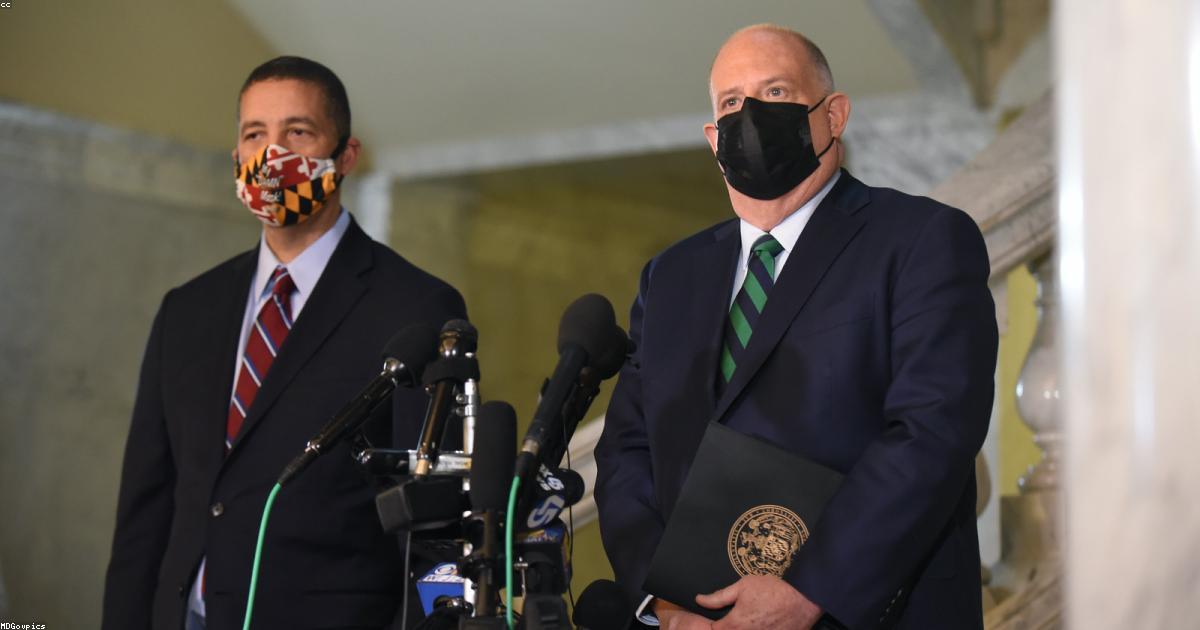
For instance, Republicans made significant gains during the last redistricting cycle by controlling state legislatures in key states. Meanwhile, Democrats have been playing catch-up, pushing ballot initiatives and court challenges to try to level the playing field. In other words, the map is the battlefield, and every line drawn is a strategic move.
Furthermore, according to AP News coverage of redistricting, voters will ultimately decide whether Republicans can translate their map-drawing victories into lasting congressional majorities. Similarly, Democratic efforts to challenge unfavorable maps in court have had mixed results, winning some cases while losing others.
Above all, what makes this moment different is the sheer number of simultaneous fights happening across the country. From New York to California to Alabama, every state seems to have its own redistricting controversy. Consequently, national organizations on both sides are pouring resources into these battles, understanding that the outcome will shape American politics for the foreseeable future.
In addition, the role of independent commissions has become a hot-button issue. Some states have adopted these commissions to take the map-drawing power away from politicians, but critics argue that even these supposedly independent bodies can be influenced by partisan interests. For example, Arizona and California both use commissions, yet their maps still face legal challenges and accusations of bias.
After all, the fundamental question remains the same as it has always been: who gets to decide how political power is distributed? Therefore, every voter should understand what is happening and why it matters for their community.
New York Democrats Push Aggressive Plans
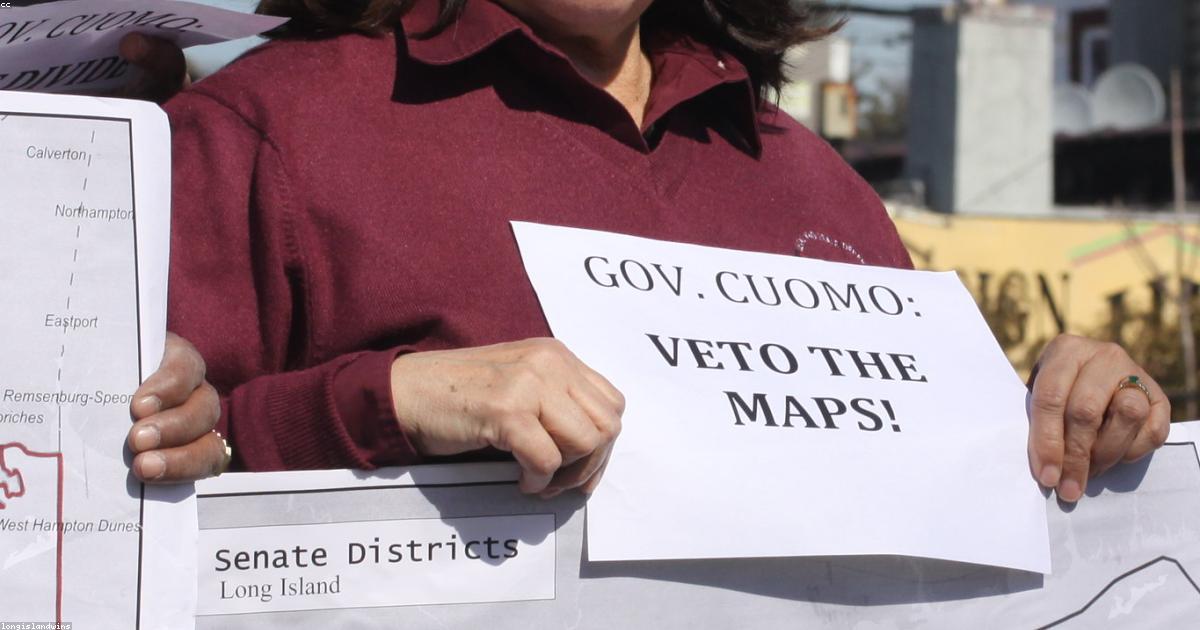
However, one of the biggest stories right now is happening in New York. Democrats in the state legislature have taken the first steps toward an aggressive 2028 redistricting plan that could reshape the state’s congressional delegation. Moreover, they are pushing a constitutional amendment that would give them more control over the process.
In fact, this move joins a national battle that has been brewing for years. New York Democrats watched as Republicans in other states drew favorable maps, and they decided it was time to fight fire with fire. Consequently, the proposed amendment would change how district lines are drawn in the state, potentially giving Democrats a significant advantage in future elections.
Furthermore, the political calculus here is straightforward. New York currently has a split congressional delegation, and Democrats believe they can win more seats simply by redrawing the maps in their favor. For instance, several swing districts in the suburbs of New York City could be redrawn to include more Democratic-leaning voters.
Nevertheless, this strategy comes with risks. Courts have previously struck down aggressive gerrymanders in New York, and there is no guarantee that a new amendment would survive legal challenge. Similarly, voters might reject the amendment if they see it as a blatant power grab. In other words, Democrats are walking a fine line between strategic map-drawing and overreach.
Meanwhile, Republicans in New York are pushing back hard against the proposal. They argue that the current system, while imperfect, at least provides some checks on partisan gerrymandering. On the other hand, Democrats point out that Republicans in states like Texas and Florida have drawn far more aggressive maps without facing similar criticism from their own party.
As a result, New York has become a key battleground in the larger national fight over who controls the redistricting process. Therefore, what happens in Albany over the next few months could have ripple effects across the entire country.
Republicans Won the Redistricting Fight
First of all, it is important to acknowledge a basic reality: Republicans won the last round of redistricting battles in most of the country. Moreover, they did so through a combination of strategic planning, state-level electoral victories, and aggressive use of their map-drawing power.
For example, in states like Georgia, Ohio, and North Carolina, Republicans drew maps that gave their party a structural advantage regardless of how the overall vote went. In addition, they invested heavily in winning state legislative races precisely because those legislatures would control the redistricting process. Consequently, Democrats found themselves locked out of power in many states even when they won a majority of the overall vote.
However, the question now is whether these map advantages will hold up through the next set of elections. Furthermore, court challenges have forced redraws in several states, and the political landscape continues to shift in ways that mapmakers did not anticipate. For instance, suburban areas that were once reliably Republican have been trending Democratic, potentially undermining carefully drawn district lines.
Similarly, population shifts are changing the equation. People are moving to different states and different parts of states, meaning that even a perfectly gerrymandered map can become outdated quickly. In fact, some analysts argue that the Republican advantage from the last redistricting cycle is already eroding in certain states.
Nevertheless, the structural advantages remain significant. Above all, controlling the map-drawing process allowed Republicans to create districts where their candidates start with a built-in edge. Therefore, even in years when the political environment favors Democrats, the maps provide a buffer that makes it harder for them to win majorities.
On the other hand, there are signs that voters are pushing back against extreme gerrymandering. Ballot initiatives in several states have created independent redistricting commissions, and courts have become more willing to strike down maps that go too far. As a result, the Republican advantage, while still real, may not be as durable as some predicted.
Supreme Court Rulings Shake the Process
Moreover, the Supreme Court has played an outsized role in shaping the redistricting landscape. In fact, recent rulings have sent shockwaves through both parties and created new uncertainty about what is and is not permissible when drawing district lines.
For example, the Court’s Alabama ruling marked what many observers called a brazen reversal of its previous stance on racial gerrymandering. Furthermore, this decision has implications far beyond Alabama, potentially affecting how districts are drawn in every state with significant minority populations. Consequently, voting rights advocates are scrambling to understand what the new legal landscape looks like.
However, the Court has also sent mixed signals. In some cases, it has upheld aggressive partisan gerrymanders while striking down racial ones, creating a confusing framework that gives mapmakers room to manipulate districts as long as they frame their motivations correctly. In other words, the legal rules of the game keep changing, and both parties are trying to figure out how to play within them.
Furthermore, the Court’s willingness to intervene in these cases at all represents a significant shift. For decades, the judiciary was reluctant to wade into what it called a political question. Meanwhile, the current Court has shown no such reluctance, issuing rulings that directly shape the political map of the country.
Nevertheless, there are limits to what the courts can do. After all, judges can strike down maps and order redraws, but they cannot draw the maps themselves in most cases. Therefore, even when courts intervene, the actual line-drawing still falls to legislatures or commissions that may have their own partisan interests. As a result, the cycle of gerrymandering, legal challenge, and redrawing continues with no clear end in sight.
Similarly, the Virginia Supreme Court controversy shows how state courts are increasingly being pulled into these fights. In addition, the question of whether courts can or should rule on redistricting matters before elections adds another layer of complexity to an already complicated process.
How Redistricting Impacts Your Daily Life
In addition to the political maneuvering, it is worth stepping back to consider how all of this affects real people in their daily lives. First of all, the district you live in determines who represents you at every level of government. Therefore, when those lines shift, your representative can change even if you have not moved.

For instance, imagine you have built a relationship with your congressperson over several years. You have called their office about issues that matter to you, attended town halls, and maybe even volunteered for their campaign. Consequently, when your district is redrawn to put you in a new representative’s territory, all of that work and those relationships disappear overnight.
Moreover, redistricting affects which issues get prioritized by your elected officials. A representative whose district is safely in one party’s column has different incentives than one who represents a competitive district. In fact, many political scientists argue that gerrymandering is a key driver of political polarization because it creates districts where representatives only need to appeal to their base.
Furthermore, the impact extends beyond federal politics. State legislative districts, county commission districts, and even school board districts can all be affected by the redistricting process. As a result, the local services you depend on, from schools to roads to public safety, are all influenced by who draws the map.
However, there is also a psychological impact that is harder to measure. When people feel like the system is rigged against them, they are less likely to participate in it. Similarly, when voters see their district drawn in bizarre shapes that clearly serve partisan rather than community interests, it undermines their faith in democracy itself. In other words, the consequences of unfair redistricting go far beyond which party wins or loses elections.
Nevertheless, there are things individual voters can do. Above all, paying attention to the process and making your voice heard during public comment periods can make a difference. For example, many states require public hearings before new maps are adopted, and showing up at those hearings is one of the most effective ways to influence the outcome.
If you want to stay informed about political developments that affect your community, check out the latest stories on our news section for ongoing coverage of issues that matter to you.
What Happens Next for Congressional Maps
Finally, let us look ahead at what is coming next in the redistricting fight. Moreover, the landscape is changing rapidly, with new legal challenges, legislative proposals, and political developments emerging almost daily.
First of all, several states have pending court cases that could force map redraws before the next election cycle. Furthermore, the New York amendment push, if successful, would set up a major fight over the state’s maps in 2028. In addition, California’s GOP candidate focused on Mideast peace is adding an unexpected wrinkle to Democrats’ redistricting goals in the state.
Consequently, both parties are already positioning themselves for the next round of battles. For instance, Democrats are investing in state legislative races in swing states, hoping to gain control of the redistricting process in those states after the 2030 census. Meanwhile, Republicans are working to defend their existing advantages and expand them where possible.
However, the wildcard in all of this is the voters themselves. Ballot initiatives have proven to be a powerful tool for reforming the redistricting process, and there are active campaigns in several states to put new proposals before voters. Therefore, the outcome of the redistricting fight is not entirely in the hands of politicians and courts.
In fact, some of the most significant changes to the process in recent years have come directly from voter-approved measures. Similarly, public pressure has influenced how commissions and legislatures approach map-drawing, even in states without formal ballot initiative processes. As a result, engaged and informed voters remain the most important check on partisan manipulation of the process.
On the other hand, there are reasons for concern. The increasing sophistication of gerrymandering technology means that mapmakers can draw increasingly precise partisan advantages. Moreover, the erosion of legal protections, particularly in the wake of certain Supreme Court decisions, has removed some of the guardrails that previously limited the most extreme gerrymanders.
Nevertheless, the fight for fair maps continues across the country, with dedicated advocates pushing for transparency, accountability, and genuine community representation in the redistricting process. Therefore, while the challenges are real, the movement for reform is not going away anytime soon.
For more analysis on how political and technological developments intersect, visit our technology coverage to understand how data and algorithms are changing the redistricting game.
Frequently Asked Questions
What is redistricting and how often does it happen?
Redistricting is the process of redrawing electoral district boundaries, and it happens every ten years following the U.S. Census. However, courts can order mid-cycle redraws if maps are found to violate the Constitution or federal law. Moreover, some states have processes that allow for more frequent adjustments under certain circumstances.
Who controls the redistricting process in most states?
In most states, the state legislature controls the redistricting process, which means the party in power gets to draw the maps. Nevertheless, a growing number of states have adopted independent or bipartisan commissions to handle map-drawing. Furthermore, governors in some states have veto power over new maps, adding another layer of oversight.
How does gerrymandering differ from legitimate redistricting?
Furthermore, while all redistricting involves drawing district lines, gerrymandering specifically refers to drawing those lines for partisan or racial advantage. In other words, gerrymandering is redistricting done with the intent to benefit one party or group at the expense of fair representation. However, the line between legitimate redistricting and gerrymandering can be blurry and is often a matter of debate.
Can voters do anything to fight unfair maps?
In fact, voters have several tools available to them. They can support ballot initiatives for independent commissions, participate in public hearings during the map-drawing process, support legal challenges to unfair maps, and vote for candidates who support redistricting reform. Above all, staying informed and engaged is the most powerful tool voters have.
What role do courts play in redistricting disputes?
Courts serve as the ultimate referee in redistricting disputes, with the power to strike down maps that violate the Constitution or federal voting rights laws. However, courts generally prefer to let the political process work itself out and only intervene when clear legal violations are present. Consequently, the standard for when a court will step in has been a matter of ongoing legal debate.
For entertainment news and lighter reading after diving into these complex political topics, check out our entertainment section.
