 Mary
Mary - Overview of the Executive Order
- Key Provisions and Requirements
- Government Access to AI Models
- How the Trump AI Executive Order Impacts Industry
- Safety and Oversight Measures
- The Voluntary Review Framework
- Comparison to Previous AI Policies
- Global Context and Competition
- What the Trump AI Executive Order Means for Businesses
- Public and Expert Reactions
- Future Outlook and Next Steps
- Frequently Asked Questions
Overview of the Executive Order
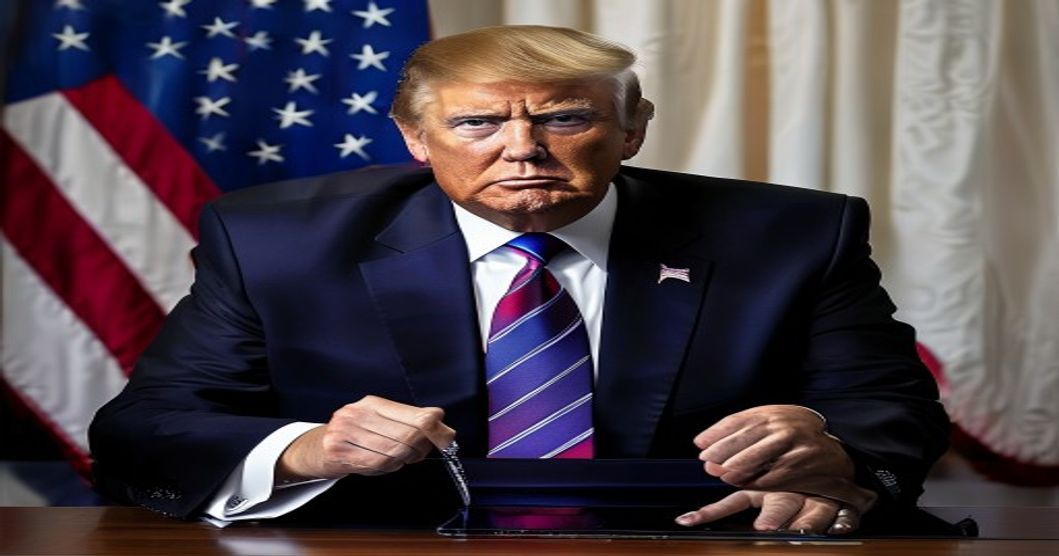
Trump AI executive order represents one of the most significant policy moves we have seen in the artificial intelligence space this year. The president signed this new directive seeking early access to powerful AI models before their public release, marking a shift in how the federal government approaches emerging technology oversight. In fact, this order has sent ripples across Silicon Valley and Washington alike, sparking intense debate about the balance between innovation and regulation.
Moreover, the executive order comes at a time when AI development is accelerating at an unprecedented pace. Companies like OpenAI, Google, and Anthropic are racing to develop increasingly powerful systems that could transform everything from healthcare to national security. Therefore, the administration felt compelled to establish a framework that gives the government visibility into these developments before they reach the public.
Furthermore, this action reflects a carefully calibrated approach that avoids the heavy-handed regulation many in the tech industry feared. Instead of imposing strict mandates, the order focuses on voluntary cooperation and early access agreements. As a result, many industry leaders have responded with cautious optimism, though concerns remain about the practical implications of government preview requirements.
Key Provisions and Requirements
The executive order contains several groundbreaking provisions that will reshape the relationship between AI companies and the federal government. First of all, it establishes a mechanism for government agencies to review powerful AI models before they launch publicly. This represents a fundamental change in how technology companies interact with regulators.
In addition, the order creates a framework for identifying which AI systems qualify as sufficiently powerful to trigger the review process. Not every chatbot or recommendation algorithm will fall under this umbrella. Instead, the focus remains on frontier models that could pose significant risks if deployed without adequate safeguards.
However, the order deliberately scales back some of the more aggressive oversight mechanisms that were reportedly considered during the drafting process. According to multiple news reports, earlier versions of the directive included mandatory compliance timelines and potential penalties for non-cooperation. Nevertheless, the final version relies primarily on voluntary participation from AI developers.
For instance, companies developing large language models above certain capability thresholds would be asked to provide the government with access before public deployment. Similarly, organizations working on AI systems with potential dual-use applications in areas like cybersecurity or biological research would face additional scrutiny under the new framework.
Government Access to AI Models
One of the most discussed aspects of the trump ai executive order involves the provision for government access to new AI models before they launch commercially. This requirement has generated significant attention from both supporters and critics of the administration’s approach.
In other words, the government wants to see what these powerful AI systems can do before millions of people start using them. The rationale behind this provision centers on national security concerns and the desire to identify potential risks early in the development cycle. After all, once a powerful AI system is released to the public, containing any harmful capabilities becomes exponentially more difficult.
Moreover, the access provision includes specific timelines for how long the government would have to review models before companies can proceed with their launch plans. Reports indicate that the voluntary review period has been scaled back from initial proposals, suggesting the administration sought to balance oversight with the need for companies to maintain competitive release schedules.
Consequently, AI companies must now decide how to structure their development pipelines to accommodate potential government review periods. For example, a company planning to release a new frontier model might need to factor in additional weeks or months for the government access window. Meanwhile, smaller companies with less powerful models may find themselves entirely outside the scope of these new requirements.
How the Trump AI Executive Order Impacts Industry
The technology industry has responded to this executive order with a mixture of relief and concern. On the other hand, many companies had feared far more restrictive regulations that could have significantly slowed down AI development in the United States. The relatively light touch of the final order has been welcomed by many in Silicon Valley.
Furthermore, the order’s emphasis on voluntary cooperation rather than mandatory compliance gives companies significant flexibility in how they engage with the new framework. In fact, several major AI companies have already indicated their willingness to participate in the government review process, viewing it as an opportunity to demonstrate responsible development practices.
However, not everyone in the industry shares this optimistic view. Some startups and smaller AI companies worry that the review process, even if voluntary, could create an implicit standard that investors and customers expect all companies to meet. As a result, companies that choose not to participate might face market pressure despite the absence of legal requirements.
Similarly, there are concerns about intellectual property protection during the government review process. AI companies invest billions of dollars in developing their models, and the prospect of sharing access with government agencies raises questions about trade secret protection and competitive advantages. Therefore, the implementation details of the access provision will likely determine whether companies embrace or resist the new framework.
Above all, the industry impact will depend on how aggressively the administration enforces the spirit of the order going forward. A light-touch approach could make the review process a mere formality, while more aggressive implementation could fundamentally alter AI development timelines across the sector.
Safety and Oversight Measures
The executive order establishes several safety and oversight mechanisms designed to protect the public from potential AI risks without stifling innovation. First of all, it creates an interagency process for evaluating AI capabilities and risks, bringing together expertise from multiple government departments.

In addition, the order calls for the development of standardized testing protocols that can be applied to frontier AI models during the review process. These protocols would assess capabilities related to cybersecurity, biological risks, and other areas of concern. For instance, reviewers might test whether a model can provide actionable guidance for creating dangerous materials or exploiting critical infrastructure.
Nevertheless, the safety measures remain largely aspirational at this stage. The order establishes the framework for oversight without specifying all the technical details of how reviews will be conducted. Consequently, government agencies will need to develop the expertise and tools necessary to meaningfully evaluate cutting-edge AI systems.
Moreover, the voluntary nature of the review process raises questions about its effectiveness as a safety mechanism. If companies with the most dangerous models choose not to participate, the oversight framework could become largely symbolic. However, proponents argue that market incentives and public pressure will encourage broad participation even without legal mandates.
In short, the safety measures represent a starting point rather than a comprehensive regulatory framework. The administration appears to be taking an iterative approach, establishing basic structures that can be expanded and refined as the technology evolves and our understanding of AI risks deepens.
The Voluntary Review Framework
Perhaps the most defining characteristic of this executive order is its reliance on voluntary compliance rather than mandatory requirements. This approach represents a deliberate policy choice that reflects the administration’s broader philosophy toward technology regulation.
Furthermore, the voluntary review framework establishes a cooperative model between government and industry that supporters say will be more effective than adversarial regulation. In other words, by making participation attractive rather than compulsory, the framework aims to encourage genuine cooperation rather than minimum compliance.
However, critics have pointed out that voluntary frameworks historically struggle to achieve universal participation, particularly when compliance is costly or time-consuming. For example, companies under competitive pressure to launch products quickly might view the review period as an unacceptable delay. As a result, the effectiveness of the voluntary approach will likely be tested as soon as a major company faces a tight launch deadline.
Meanwhile, the framework does include some implicit incentives for participation. Companies that engage with the review process may receive favorable treatment in government procurement decisions, public recognition as responsible AI developers, and access to government research and data. Therefore, while participation is not legally required, the practical benefits of engagement may be substantial.
After all, the administration retains the ability to impose mandatory requirements through future executive orders or by supporting legislation if the voluntary approach proves insufficient. This implicit threat of future regulation serves as a powerful motivator for industry cooperation, even in the absence of current legal mandates.
Comparison to Previous AI Policies
The trump ai executive order represents a significant departure from the previous administration’s approach to AI regulation. The Biden administration had issued its own comprehensive AI executive order in October 2023, which included more stringent reporting requirements and safety testing mandates. In fact, the current order explicitly revokes or modifies several provisions from that earlier directive.
Moreover, the shift from mandatory to voluntary compliance reflects broader changes in how the current administration views the role of government in technology markets. Supporters argue this approach better supports American competitiveness in the global AI race, while critics worry it leaves the public inadequately protected from potential AI harms.
For instance, the previous executive order required companies developing large AI models to notify the government and share safety test results before deployment. The current order softens these requirements into requests rather than mandates. Similarly, timelines for compliance have been extended, and the scope of models covered has been narrowed.
Nevertheless, some elements of continuity exist between the two approaches. Both recognize the importance of government awareness of AI capabilities, both acknowledge potential national security implications, and both seek to maintain American leadership in AI development. The disagreement is primarily about methods rather than goals.
On the other hand, international observers have noted that the scaled-back approach could affect America’s ability to influence global AI governance standards. Countries developing their own regulatory frameworks often look to U.S. policy as a reference point, and a lighter approach domestically could undermine efforts to establish robust international standards.
Global Context and Competition
The executive order must be understood within the context of intense global competition in AI development. China, the European Union, and other major players are all pursuing their own approaches to AI governance, and American policy choices have significant implications for international competitiveness.
Furthermore, the administration has made clear that maintaining U.S. leadership in AI is a primary policy objective. Therefore, any regulatory framework must balance the desire for safety and oversight against the need to avoid placing American companies at a competitive disadvantage relative to their Chinese counterparts.
In addition, the European Union’s AI Act represents a much more comprehensive regulatory approach that imposes significant compliance costs on AI developers operating in European markets. Some American companies have argued that similar regulation in the United States would effectively hand leadership in AI development to countries with less restrictive environments.
However, others counter that responsible development practices can actually enhance competitiveness by building public trust and avoiding costly accidents or misuse incidents. For example, a major AI safety failure by an American company could do more damage to U.S. AI leadership than any regulatory requirement.
Consequently, the administration’s approach attempts to thread a needle between these competing concerns. By establishing voluntary oversight without imposing mandatory compliance, the order seeks to demonstrate responsible governance without creating competitive burdens. Meanwhile, diplomatic efforts continue to shape international AI governance norms in ways favorable to American interests and values.
What the Trump AI Executive Order Means for Businesses
For businesses of all sizes, the trump ai executive order creates both opportunities and uncertainties. Large AI companies developing frontier models face the most direct impact, but the ripple effects will be felt across the entire technology ecosystem and beyond.
First of all, companies that develop or deploy AI systems should carefully review the order’s provisions to understand whether their products fall within the scope of the voluntary review framework. Moreover, even companies whose products are clearly outside the scope should monitor developments closely, as the framework could expand over time.
In addition, businesses that rely on AI products from major providers should consider how the review process might affect product release timelines. For instance, if a company’s business plans depend on accessing new AI capabilities from providers like OpenAI or Google, potential delays from government review could affect those plans.
Similarly, the order creates opportunities for companies in the AI safety and evaluation space. The government will need tools, expertise, and frameworks for evaluating AI models, creating a new market for companies that can provide these capabilities. Therefore, entrepreneurs and investors should pay attention to emerging opportunities in AI evaluation and safety testing.
Above all, businesses should avoid overreacting to the executive order. The voluntary nature of the framework means that immediate operational changes are unlikely for most companies. Nevertheless, understanding the direction of policy travel helps businesses prepare for potential future developments that could be more impactful. You can stay updated on how this affects the tech industry by following coverage at our tech section.
Public and Expert Reactions
The public reaction to the executive order has been predictably divided along political and ideological lines. Supporters praise the administration for taking a pragmatic approach that supports innovation while maintaining awareness of AI risks. Critics argue the order does too little to protect the public from potentially dangerous AI systems.
Furthermore, AI researchers and academics have offered mixed assessments of the order’s likely effectiveness. Some leading researchers have expressed concern that voluntary measures are insufficient given the pace of AI development and the magnitude of potential risks. However, others have welcomed the collaborative tone of the order and expressed hope that it will lead to productive government-industry partnerships.
For example, several prominent AI safety researchers have noted that government access to frontier models could provide valuable data about AI capabilities and risks that would otherwise remain proprietary. In fact, this information sharing could accelerate the development of safety techniques and evaluation methods.
Meanwhile, civil liberties organizations have raised questions about potential privacy implications of expanded government access to AI systems. The intersection of AI capabilities with surveillance and law enforcement has long been a concern for privacy advocates. Consequently, they are watching closely to see how the government uses its access to AI models and whether adequate safeguards are in place.
On the other hand, national security hawks argue the order does not go far enough in restricting AI development that could benefit foreign adversaries. They point to the voluntary nature of the framework as a weakness that sophisticated actors could exploit. Nevertheless, the administration appears committed to its cooperative approach for now, though future orders could take a more aggressive stance if circumstances warrant.
For more perspectives on how policy developments affect everyday life, check out our news coverage for the latest updates.
Future Outlook and Next Steps
Looking ahead, the executive order sets the stage for an evolving relationship between the AI industry and the federal government. The voluntary framework established by this order is likely just the beginning of a longer policy development process that will unfold over months and years.
Moreover, Congress continues to work on AI-related legislation that could supplement or supersede the executive order’s provisions. Several bipartisan bills are making their way through committees, and the administration’s order may influence the direction of these legislative efforts. Therefore, companies should monitor both executive and legislative developments in the AI policy space.
In addition, the implementation of the order will be closely watched by international partners and competitors. How effectively the United States manages its voluntary oversight framework could influence other countries’ policy choices and shape emerging international AI governance norms. For instance, if the voluntary approach proves effective at identifying and mitigating AI risks, other countries might adopt similar models.
Furthermore, the rapid pace of AI development means that any policy framework must be adaptable to changing circumstances. Models that seem cutting-edge today may be routine within a year, while entirely new capabilities could emerge that current frameworks are not designed to address. Consequently, the administration will need to regularly update and refine its approach as the technology evolves.
After all, the ultimate test of this executive order will be whether it successfully balances the competing demands of innovation, safety, national security, and public interest. Only time will reveal whether the voluntary approach achieves this balance or whether more aggressive intervention becomes necessary.
For more on how major outlets are covering this story, you can follow the ongoing developments. Additionally, stay informed about entertainment industry reactions to AI policy at our entertainment section.
Frequently Asked Questions
What does the trump ai executive order actually require companies to do?
The executive order primarily asks AI companies developing frontier models to voluntarily provide the government with early access before public release. It does not impose mandatory legal requirements but establishes a cooperative framework for government review of powerful AI systems. Companies that participate may receive benefits like favorable procurement treatment and public recognition.
Which AI companies are affected by this executive order?
The order primarily targets companies developing the most powerful frontier AI models, such as OpenAI, Google DeepMind, Anthropic, and Meta AI. However, the exact threshold for which models trigger the review process is still being defined. Smaller companies working on less powerful systems are unlikely to be directly affected in the near term.
How does this executive order differ from Biden’s AI executive order?
The current order takes a significantly lighter approach than its predecessor. It replaces mandatory reporting and testing requirements with voluntary cooperation, extends compliance timelines, and narrows the scope of models covered. Furthermore, it emphasizes American competitiveness rather than precautionary regulation, reflecting the current administration’s broader policy philosophy.
Will this executive order slow down AI development in the United States?
Most industry analysts believe the impact on development timelines will be minimal given the voluntary nature of the framework. However, companies that choose to participate in the review process may face some delays before launching new products. Moreover, the implicit expectation of participation could create market pressures that affect timelines even for companies that technically do not participate.
What are the national security implications of this order?
The order is partly motivated by national security concerns, particularly the desire to understand AI capabilities that could be used by adversaries or that could pose risks to critical infrastructure. In addition, early government access to frontier models could help defense and intelligence agencies stay current with the latest AI capabilities and develop appropriate countermeasures.
Could this executive order be challenged in court?
Because the order relies on voluntary compliance rather than mandatory requirements, legal challenges are less likely than with more coercive approaches. Nevertheless, specific provisions related to government access could face legal scrutiny if companies feel their intellectual property rights are being infringed. Therefore, the implementation details will be critical in determining whether legal challenges emerge.
