 Mary
Mary A Conflict That’s Now Everyone’s Problem
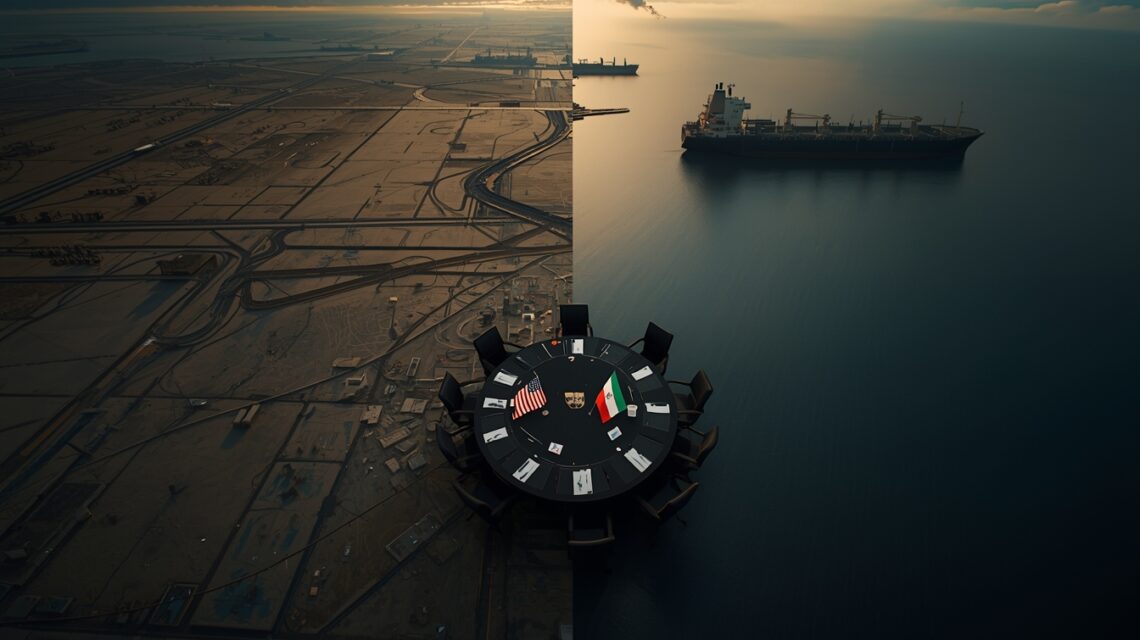
When the US-Iran conflict escalated into open war, many assumed it would stay a regional story. It didn’t.
Today, in April 2026, the ripple effects of this conflict are being felt at gas pumps in Ohio, in shipping lanes off Oman, and in the boardrooms of energy companies worldwide. Whether you follow geopolitics closely or just noticed your energy bill creeping up — this story is already affecting your life.
In this post, we break down exactly what’s happening, why it matters, and what credible analysts believe comes next. No spin. Just facts, context, and clarity.
What Actually Happened? A Quick Timeline
Understanding the current situation requires a quick look back at how we got here.
- Late 2025: Tensions between the US and Iran escalated sharply following disputes over Iran’s nuclear programme and regional proxy conflicts.
- Early 2026: Direct military engagements began, triggering emergency sessions at the UN Security Council.
- March–April 2026: The conflict intensified in the Persian Gulf, disrupting key oil shipping routes and triggering a surge in global energy prices.
- April 24–25, 2026: Peace talks were announced — with US envoys Steve Witkoff and Jared Kushner set to engage — but talks stalled after Iran’s foreign minister Abbas Araghchi departed Islamabad unexpectedly, prompting the US side to pull back.
The situation remains volatile. But it is being watched by every major economy on the planet.
The Economic Fallout: What Experts Are Saying
This is where it gets personal for most readers.
🛢️ Energy Prices & Oil Supply
The Persian Gulf handles roughly 20% of the world’s oil transit. Any disruption — and there have been several — sends shockwaves through global energy markets. Analysts note that commercial vessels face ongoing risks from mines and land-based threats, a concern Chevron’s CEO raised publicly in a recent interview.
What this means for you: Higher fuel costs, elevated electricity bills, and inflationary pressure on goods that depend on transportation.
📉 Lingering Economic Impact
Economists are not offering reassuring forecasts. According to reporting from CBS News, the Iran war’s economic hit is expected to linger well through 2026, making recovery a slow and uneven process for the US and its allies.
🌐 Global Supply Chain Stress
From liquefied natural gas (LNG) facilities in Qatar — which have suffered conflict-related damage — to shipping insurance premiums spiking across Asia and Europe, the war is stress-testing global trade infrastructure in ways that won’t resolve quickly.
The Diplomatic Angle: Is Peace Still Possible?
Despite the battlefield noise, diplomacy hasn’t died — it’s just deeply complicated.
The US has positioned itself as a key broker. However, analysts and observers note that ceasefires in the region appear more imposed by Washington than mutually negotiated, which has caused friction with Israeli and regional stakeholders who prefer sovereign outcomes.
Key question being debated: Can the US credibly play peacemaker while being a combatant? This tension is at the heart of why peace talks keep stalling.
What Independent Experts Say
Foreign policy scholars largely agree on three things:
- A lasting ceasefire requires Iranian buy-in, not just US pressure.
- Economic sanctions relief will need to be part of any deal — Iran’s domestic situation is deteriorating.
- Regional actors — Saudi Arabia, Turkey, and Israel — all have competing interests that complicate any single-framework solution.
How This Affects Everyday Americans
You don’t need to be a foreign policy wonk to feel this conflict. Here’s a grounded breakdown:
| Area | Impact |
|---|---|
| Fuel prices | Elevated; likely to remain high through Q3 2026 |
| Grocery costs | Up, due to transportation and energy-linked inflation |
| Stock market | Volatile; defence and energy sectors up, tech mixed |
| Interest rates | Fed under pressure to balance inflation vs. slowdown |
| Travel | Some international routes disrupted or repriced |
What Comes Next? Three Scenarios
Scenario 1 — Negotiated Ceasefire (Moderate Probability)
Talks resume, a partial ceasefire holds, and economic pressure on Iran leads to a framework agreement. Markets stabilise. Energy prices ease by late 2026.
Scenario 2 — Prolonged Low-Intensity Conflict (High Probability)
Neither side fully escalates nor resolves. The conflict drags on, keeping energy prices high and diplomatic channels strained. Most economists consider this the most likely near-term outcome.
Scenario 3 — Wider Regional Escalation (Lower But Serious Probability)
Proxy engagements expand. Other regional powers are drawn in. Global recession risk increases sharply. This is the scenario markets fear most.
What You Can Do Right Now
While this feels distant for many, there are practical steps worth considering:
- Review your energy costs and explore fixed-rate plans if available in your area.
- Diversify investments away from sectors most exposed to Middle East instability.
- Stay informed through credible outlets — not just social media headlines.
- Engage your representatives if you have views on US foreign policy and its economic trade-offs.
Final Thoughts
The US-Iran conflict of 2026 is not just a headline. It is a live geopolitical crisis with real economic and human consequences — and it is far from over.
What separates informed citizens from reactive ones is context. Now you have it.
Bookmark this page for ongoing updates. And if you found this post useful, share it with someone trying to make sense of the news right now.
📌 Key Takeaways:
- The US-Iran war is disrupting global oil supply and driving inflation.
- Peace talks have stalled but diplomatic channels remain open.
- Economists expect economic impacts to linger through 2026.
- Most analysts consider a prolonged low-intensity conflict the most likely near-term scenario.
