
 Mary
Mary - Understanding the Post-Election Day Ballot Count
- Why Counting Takes So Long After Election Day
- The California 2026 Primary: A Case Study
- Types of Ballots Counted After Polls Close
- Post-Election Day Ballot Count Process Explained
- Transparency and Security Measures in Place
- Post-Election Day Ballot Count Impact on Results
- Frequently Asked Questions
Understanding the Post-Election Day Ballot Count
Post-election day ballot count is a process that millions of Americans are paying close attention to right now, especially following the California 2026 primary election. In fact, the counting of ballots after election day has become one of the most discussed topics in American politics. Moreover, understanding how this process works is essential for every voter who wants to trust the integrity of elections. Furthermore, with California election officials openly explaining why results take days or even weeks to finalize, the public is getting a clearer picture of what happens behind the scenes.
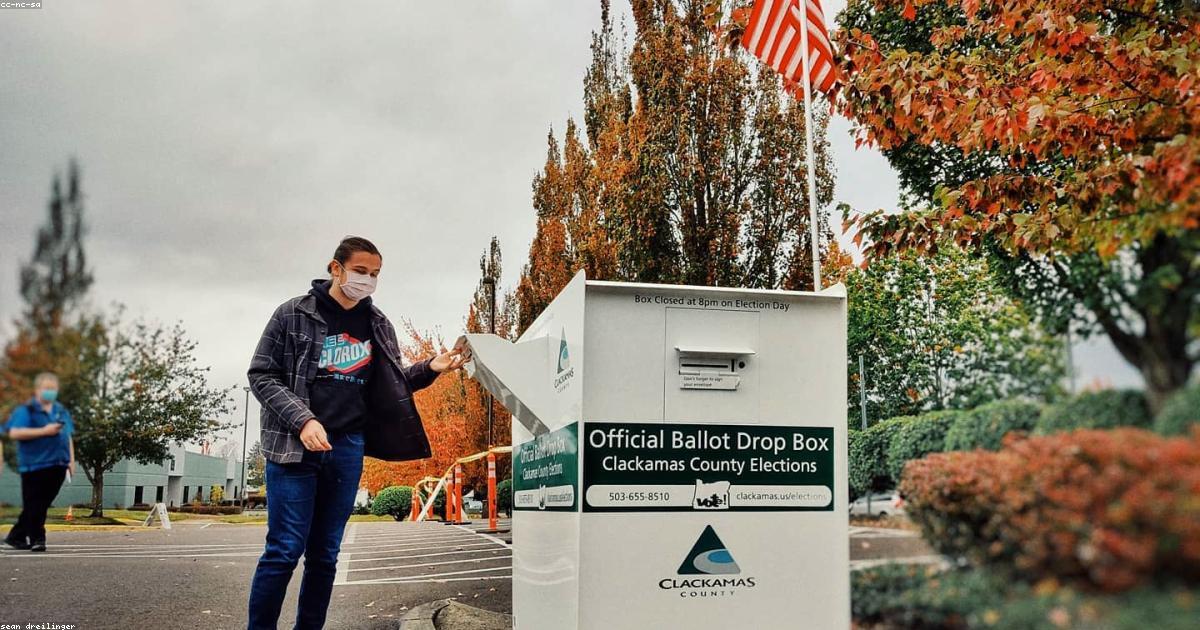
For instance, Sacramento County officials recently took time to explain to the public exactly what happens after polls close on election night. Similarly, San Diego County released statements about when residents can expect gubernatorial primary results. Nevertheless, many people still feel confused or anxious when they see that millions of ballots remain uncounted days after an election. In addition, media outlets like the New York Times have reported that uncounted ballots in California are likely to lean Democratic, which adds a political dimension to the waiting period.
The reality is that counting every single ballot accurately is far more important than counting them quickly. After all, democracy depends on precision, not speed. Therefore, election officials across the state have been transparent about their timelines and processes. Above all, the goal is to ensure that every eligible vote gets counted correctly.
Why Counting Takes So Long After Election Day
However, many voters wonder why the this process takes so much time in states like California. First of all, California has some of the most voter-friendly laws in the country, which naturally extends the counting timeline. For example, mail-in ballots postmarked by election day can arrive up to seven days later and still be counted as valid votes.
Moreover, the sheer volume of mail-in ballots in California is staggering. In the 2026 primary, the majority of voters chose to vote by mail rather than show up in person. Consequently, election workers face mountains of envelopes that must be verified, opened, and processed according to strict legal procedures. Furthermore, each ballot envelope must have its signature verified against the voter’s registration signature before it can even be opened.
In addition, provisional ballots add another layer of complexity to the process. These are ballots cast by voters whose eligibility needs to be confirmed after election day. Similarly, ballots that have issues like mismatched signatures need to go through a curing process where voters are contacted and given a chance to verify their identity. As a result, the final certified results in California typically do not come until about 30 days after the election.
Meanwhile, the Supreme Court is currently considering cases related to mail-in ballot deadlines, which could have major implications for future elections. On the other hand, states with fewer mail-in voting options tend to report results much faster. Nevertheless, most election experts agree that the California model prioritizes access and accuracy over speed, which benefits voters overall.
The California 2026 Primary: A Case Study
The California 2026 primary election provides a perfect example of why the the counting process matters so much. In fact, several key races remain too close to call days after voting ended on Tuesday. Moreover, the gubernatorial race and several congressional primaries are seeing margins that could easily shift as more ballots get processed.
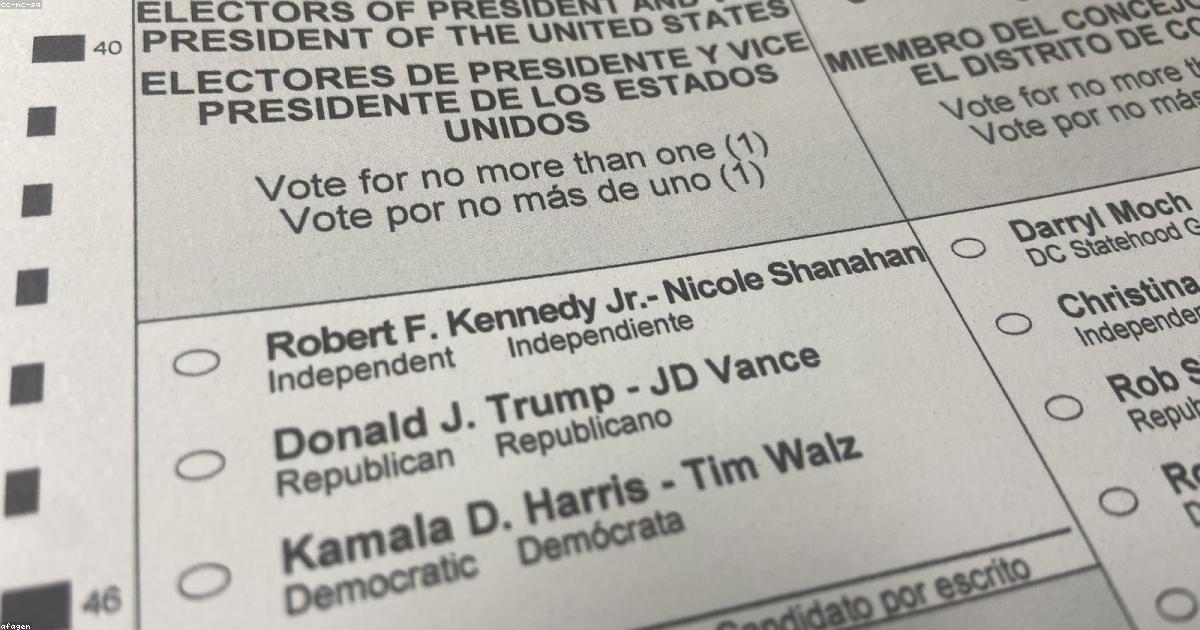
For instance, NBC Los Angeles reported that determining who moves on to the November runoff requires patience as the count continues. Similarly, CalMatters published an article explicitly telling readers not to expect results anytime soon. Furthermore, The Desert Sun attempted to explain just how complicated the question of remaining votes really is in California.
Consequently, political candidates and their campaigns must exercise patience during this period. However, this waiting period can also fuel misinformation if voters do not understand why the delay exists. Therefore, transparency from election officials is more important than ever. In other words, the more information that gets shared publicly about the counting process, the more trust voters will have in the final results.
CNN also weighed in with coverage explaining why the count will go on in California long after other states have reported their results. Above all, their reporting emphasized that this is normal, expected, and a sign that the system is working as designed. After all, California has been counting ballots this way for years, and the process has consistently produced accurate results.
For more coverage of political developments and breaking stories, visit our news section for the latest updates.
Types of Ballots Counted After Polls Close
In addition to understanding why counting takes time, it helps to know exactly what types of ballots make up the these developments. First of all, there are vote-by-mail ballots that arrived on or before election day but were not yet processed. Moreover, there are late-arriving mail ballots that were postmarked by election day but delivered afterward.
Furthermore, provisional ballots represent a significant category. These are cast when a voter’s name does not appear on the roster, when someone votes at the wrong precinct, or when there are other questions about eligibility. Similarly, conditional voter registration ballots come from people who registered to vote on election day itself or during the early voting period. As a result, these ballots require additional verification steps before they can be added to the count.
However, there are also ballots that need special handling due to damage or errors. For example, if a ballot is torn or stained in a way that prevents the scanning machine from reading it, election workers must duplicate it by hand onto a fresh ballot. Nevertheless, strict protocols ensure that the voter’s intent is preserved throughout this process.
In fact, California law requires that teams of bipartisan workers handle these sensitive ballots together, ensuring no single person can alter a vote. Therefore, while the process is slow, it includes multiple layers of protection against error or fraud. Consequently, voters can feel confident that their ballot will be counted accurately regardless of which category it falls into.
Moreover, same-day voter registration ballots have become increasingly common in recent election cycles. In addition, military and overseas ballots have extended deadlines that can push the final count even later. Above all, every single one of these ballot types represents a real voter whose voice deserves to be heard in the final results.
Post-Election Day Ballot Count Process Explained
The this situation follows a carefully structured process that ensures accuracy at every step. First of all, election workers sort incoming mail ballots by batch and log them into the tracking system. Moreover, each envelope gets its barcode scanned so voters can check online whether their ballot has been received.

Furthermore, signature verification is perhaps the most time-consuming step in the entire process. Trained staff compare the signature on each ballot envelope to the signature on file with the county registrar. However, if a signature does not match, the ballot is not simply rejected. In addition, California law requires that voters be notified and given an opportunity to cure the discrepancy within a set timeframe.
After signature verification is complete, the ballots go through the extraction process. In other words, the envelopes are opened and the actual ballots are removed. Similarly, the ballots are then prepared for scanning by being flattened and organized into batches. Consequently, the scanning phase can begin, where high-speed machines read the voters’ choices and tabulate the results.
Nevertheless, machines cannot read every ballot perfectly. Therefore, any ballot that the scanner flags as unreadable goes to an adjudication team. For instance, if a voter filled in a bubble only partially or made stray marks on the ballot, trained staff must determine the voter’s intent. As a result, this human review process adds time but significantly improves accuracy.
Meanwhile, all of this work happens under observation from official poll watchers representing different political parties. On the other hand, the general public can also observe many aspects of the count depending on the county’s policies. In fact, this transparency is built into the system specifically to maintain public trust. Above all, the entire process is governed by state law and subject to legal challenge if any irregularities are discovered.
For those interested in how technology intersects with our democratic processes, check out our tech coverage for related stories.
Transparency and Security Measures in Place
However, the the tally is not just about counting. It is equally about ensuring that every step is transparent and secure. Moreover, California counties employ numerous safeguards to protect the integrity of the process. Furthermore, these measures have been developed and refined over many election cycles.
For example, chain of custody logs track every ballot from the moment it arrives at the election office until it is counted and stored. Similarly, security cameras monitor ballot processing areas around the clock. In addition, bipartisan teams handle ballots together so that no single individual from one party has unsupervised access to votes.
Consequently, attempts to interfere with the count would require an impossibly large conspiracy involving workers from both parties, multiple oversight bodies, and extensive documentation systems. Nevertheless, election officials continue to invest in additional security measures with each passing election. Therefore, the system becomes more robust over time rather than less secure.
In fact, post-election audits provide another layer of verification. After the count is complete, counties conduct risk-limiting audits that compare hand counts of randomly selected ballots to the machine totals. As a result, any discrepancies between human counts and machine counts would be caught and investigated. Above all, these audits have consistently confirmed the accuracy of California’s election results.
NBC News recently reported that election officials are bracing for a potential Supreme Court ruling on mail-in ballot deadlines, which could affect future elections. For instance, if the Court restricts the window for accepting late-arriving ballots, it could change the timeline for the this effort in significant ways. Meanwhile, officials are preparing contingency plans regardless of how the Court rules. You can read more about this development from NBC News.
Post-Election Day Ballot Count Impact on Results
The the count can and frequently does change the apparent outcome of close races. First of all, the ballots counted after election night tend to have different demographic characteristics than those counted on election night itself. Moreover, the New York Times specifically noted that remaining uncounted ballots in California are likely to lean Democratic.
Furthermore, this pattern exists because Democrats in California tend to vote by mail at higher rates and are more likely to drop off their ballots close to the deadline. However, this does not mean the late-counted ballots are somehow illegitimate. In addition, these voting patterns have been consistent and well-documented for many election cycles. Consequently, political analysts and campaigns factor these known patterns into their projections.
Similarly, races that appear decided on election night sometimes flip as more ballots are counted. For example, in past California elections, candidates who trailed on election night have gone on to win once all ballots were processed. Nevertheless, this is simply the result of counting all legitimate votes rather than stopping at an arbitrary point. Therefore, responsible media outlets increasingly wait before calling close races in California.
In other words, the election night results should be viewed as preliminary rather than final. After all, declaring a winner before all votes are counted would be like calling a baseball game in the seventh inning. Meanwhile, voters should understand that shifts in the count are normal and expected. On the other hand, unusually large or statistically improbable shifts might warrant additional scrutiny and could trigger automatic recounts under California law.
Above all, patience is the most important virtue during the this timeline. As a result of this extended process, California consistently achieves some of the highest voter participation rates in the nation. In fact, making it easy to vote and ensuring every ballot gets counted encourages more citizens to participate in democracy.
Stay informed about political developments and other important stories by visiting our entertainment section for lighter reading between election updates.
Furthermore, staying informed about the latest developments remains essential for every voter who cares about election integrity and transparency in the democratic process.
Frequently Asked Questions
How long does the post-election day ballot count take in California?
In most cases, California counties take approximately 30 days after an election to certify their final results. However, some counties complete their counts sooner than others depending on volume and resources. Moreover, the Secretary of State then has additional time to certify statewide results. Therefore, voters should expect the process to take several weeks for complete accuracy.
Why are mail-in ballots counted after election day?
Furthermore, mail-in ballots are counted after election day for several important reasons. First of all, California allows ballots postmarked by election day to arrive up to seven days later. In addition, the sheer volume of mail ballots means processing begins before election day but continues well after. Consequently, this extended timeline ensures no valid vote is left uncounted.
Can the post-election day ballot count change who wins an election?
In fact, yes. The late-counted ballots absolutely can and do change outcomes in close races. For instance, candidates who trail on election night have won after all ballots were processed in numerous California elections. Nevertheless, this simply reflects the reality that mail-in voters may have different preferences than in-person voters. Therefore, no race should be considered final until certification.
Is the post-election day ballot count secure and accurate?
Above all, the ballot counting process in California is extremely secure. Moreover, bipartisan teams, chain of custody logs, security cameras, and post-election audits all work together to ensure accuracy. Similarly, official observers from multiple parties can watch the counting process. As a result, California’s election results have consistently proven accurate and reliable.
What happens if my mail ballot signature does not match?
However, a mismatched signature does not mean your ballot is thrown out. In addition, California law requires election officials to contact you and give you an opportunity to verify your identity. Furthermore, you typically have until the certification deadline to cure any signature issues. Therefore, always make sure your contact information is up to date with your county registrar.
How can I track whether my ballot was counted?
Similarly, most California counties offer online ballot tracking tools where you can check the status of your mail-in ballot. Moreover, the state provides BallotTrax notifications that alert you when your ballot is received and counted. Consequently, voters have more visibility into the process than ever before. For example, you can sign up for these notifications through your county elections website.
