
 Mary
Mary What Happened at Nippon Dynawave
The Nippon Dynawave explosion in Longview, Washington has shaken communities across the Pacific Northwest and drawn national attention to industrial safety standards at paper mills. First of all, this devastating incident at the Nippon Dynawave paper mill resulted in a chemical tank rupture that claimed multiple lives and left families searching for answers. Moreover, the tragedy has sparked urgent conversations about workplace safety protocols and the responsibilities of chemical manufacturing facilities operating in residential areas.

Furthermore, the Longview community has rallied together in the aftermath of this catastrophic event, demonstrating incredible resilience while demanding accountability. In fact, emergency responders worked tirelessly around the clock to locate missing workers and secure the hazardous site. As a result, this incident has become one of the most significant industrial disasters in Washington state history, prompting investigations at both state and federal levels.
For instance, the sheer scale of the Nippon Dynawave explosion caught many off guard, as the facility had been operating for decades without a major incident of this magnitude. Nevertheless, warning signs and safety concerns had been raised by workers in the months leading up to the disaster. In addition, regulatory bodies are now examining whether proper inspections and maintenance schedules were followed at the chemical storage facilities within the plant.
Meanwhile, the families of victims continue to seek closure as recovery operations progress at the site. Consequently, legal experts anticipate significant litigation in the coming months as the full scope of negligence, if any, becomes clearer through official investigations.
Timeline of the Nippon Dynawave Explosion
Understanding the sequence of events surrounding the Nippon Dynawave explosion is critical for grasping the full impact of this tragedy. Moreover, the timeline reveals how quickly a routine workday transformed into a catastrophic emergency that overwhelmed local response capabilities.
The initial reports indicated that a major chemical explosion rocked the city of Longview, sending shockwaves through the surrounding neighborhoods. In addition, witnesses described hearing a thunderous blast followed by a massive plume of smoke rising from the paper mill facility. For example, residents living several miles away reported feeling their homes shake and windows rattle from the force of the explosion.
Furthermore, emergency services were dispatched immediately, with multiple fire departments, hazmat teams, and ambulance services converging on the scene. However, the presence of hazardous chemicals complicated rescue efforts significantly, forcing first responders to proceed with extreme caution. As a result, the initial hours after the Nippon Dynawave explosion were marked by confusion and uncertainty about the number of workers trapped inside.
In fact, it took several days before the full scope of the disaster became apparent. Similarly, the identification of victims proved to be a painstaking process due to the severity of the explosion and subsequent chemical contamination. Therefore, authorities established a unified command center to coordinate the complex recovery operation involving multiple agencies.
Above all, the timeline demonstrates that the chemical tank implosion was not a simple explosion but rather a cascading failure that involved multiple systems within the facility. In other words, the disaster unfolded in stages, with the initial rupture triggering secondary reactions that amplified the destruction exponentially.
Casualties and Recovery Efforts
The human toll of the Nippon Dynawave explosion has been heartbreaking for the Longview community and beyond. As confirmed by multiple news sources, the death toll has climbed to eight, with additional victims still expected to be found. Moreover, nine workers were initially reported missing following the blast, and crews have recovered the remains of six of those individuals as of the latest updates.
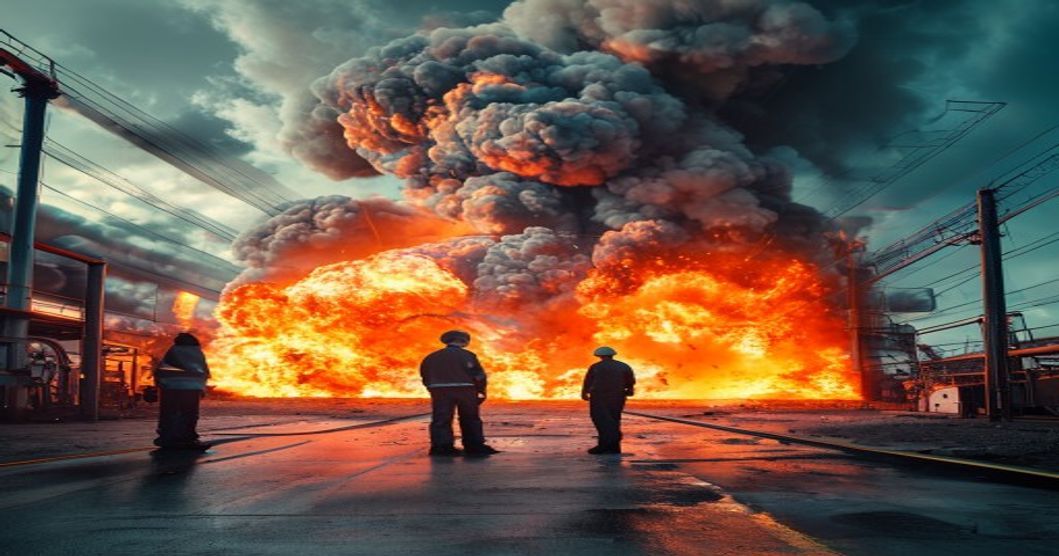
Furthermore, multiple workers sustained serious injuries in the immediate aftermath of the explosion, with several transported to regional trauma centers for emergency treatment. However, the focus quickly shifted from rescue to recovery as officials determined that no survivors were expected among those still unaccounted for. Consequently, this grim assessment brought devastating news to families who had been holding onto hope.
In addition, the recovery operation itself has been extraordinarily dangerous for the crews working at the site. For instance, the presence of residual chemicals, structural instability, and contaminated debris has required specialized equipment and protocols that slow the process considerably. Nevertheless, recovery teams have shown remarkable dedication, working methodically to bring closure to grieving families.
Similarly, the broader community has mobilized support systems for affected families, including fundraising campaigns, counseling services, and memorial events. As a result, the outpouring of support has demonstrated the tight-knit nature of the Longview community. In fact, local businesses, churches, and civic organizations have all contributed resources to help those impacted by the Nippon Dynawave explosion navigate this incredibly difficult period.
Therefore, while the casualty numbers paint a stark picture of loss, the community response tells a parallel story of compassion and solidarity. Above all, each victim represents a family forever changed, and the community has committed to ensuring their memories are honored through meaningful action.
Chemical Factors Behind the Disaster
Understanding the chemical dynamics that led to the Nippon Dynawave explosion requires examining the industrial processes common in paper manufacturing. Moreover, paper mills routinely handle a variety of hazardous chemicals used in pulping, bleaching, and processing wood fibers into finished products. In addition, these chemicals are often stored in large tanks that require rigorous maintenance and monitoring protocols.
For example, common chemicals found at paper mill facilities include chlorine dioxide, sodium hydroxide, sulfuric acid, and various organic solvents. Furthermore, the interaction between these substances under certain conditions can create extremely dangerous situations, particularly if containment systems fail. However, the specific chemical or combination of chemicals responsible for the Nippon Dynawave explosion is still under investigation by federal authorities.
In fact, initial reports described the incident as a chemical tank implosion, which suggests that internal pressure dynamics played a critical role in the failure. Consequently, investigators are examining whether temperature fluctuations, corrosion, or maintenance failures contributed to the structural compromise of the storage vessel. Similarly, the possibility of human error in chemical handling procedures has not been ruled out.
Nevertheless, experts in industrial chemistry have noted that paper mill explosions, while relatively rare, tend to be particularly devastating when they do occur. As a result, the industry has developed extensive safety protocols over the decades. In other words, the systems designed to prevent such disasters are well-established, which raises serious questions about why they failed in this instance.
Therefore, the chemical investigation represents one of the most critical aspects of understanding the Nippon Dynawave explosion. Meanwhile, environmental agencies are also monitoring air and water quality in the surrounding area to assess any ongoing contamination risks to the community. After all, the chemical release from such an explosion can have lasting environmental consequences that extend far beyond the immediate blast zone.
For more coverage of breaking news events, visit our news section for the latest updates.
Community Response and Support
The Longview community’s response to the Nippon Dynawave explosion has been nothing short of extraordinary. First of all, within hours of the blast, local organizations began coordinating relief efforts for affected workers and their families. Moreover, the city government established emergency information centers where residents could receive updates and access support services.
Furthermore, the emotional impact on the community cannot be overstated. In a city where the paper mill has been a cornerstone employer for generations, the explosion struck at the very heart of local identity. However, rather than being paralyzed by grief, residents channeled their emotions into constructive action. For instance, GoFundMe campaigns for victims’ families raised substantial sums within the first few days following the disaster.
In addition, mental health professionals from across the region volunteered their services to help community members process the trauma. As a result, counseling centers extended their hours and offered free sessions to anyone affected by the explosion. Similarly, schools in the area implemented support programs for children who lost parents or family members in the incident.
Nevertheless, the road to recovery for Longview will be long and challenging. Consequently, community leaders have begun discussing long-term support structures that will remain in place well beyond the initial crisis period. In fact, historical precedents from similar industrial disasters suggest that communities need sustained support for years following such events.
Therefore, the community response to the Nippon Dynawave explosion serves as both an inspiring example of human resilience and a reminder of the ongoing needs that persist long after headlines fade. Above all, the solidarity displayed by Longview residents demonstrates that even in the darkest moments, communities can find strength in unity.
Meanwhile, national attention has brought additional resources and support from organizations outside the immediate area. On the other hand, some residents have expressed frustration with what they perceive as slow governmental response at the federal level. For more stories about communities coming together, check out our entertainment and lifestyle section.
Safety Revelations From the Nippon Dynawave Explosion
The Nippon Dynawave explosion has brought critical safety revelations to light that could reshape industrial regulations across the country. Moreover, workplace safety advocates have seized on this tragedy to push for stronger oversight of chemical storage facilities at manufacturing plants. In addition, the incident has exposed potential gaps in existing safety frameworks that were previously considered adequate.
For example, preliminary investigations suggest that inspection frequencies for chemical storage tanks may be insufficient given the corrosive nature of the materials they contain. Furthermore, questions have emerged about whether workers received adequate training in emergency procedures specific to chemical tank failures. However, definitive conclusions await the completion of formal investigations by OSHA and other regulatory bodies.
In fact, the Nippon Dynawave explosion is not the first industrial accident to raise these concerns, but its severity has amplified the urgency of reform. Consequently, industry groups are already reviewing their safety protocols in anticipation of potential regulatory changes. Similarly, insurance companies that cover industrial facilities are reassessing their risk models in light of this disaster.
Nevertheless, meaningful safety improvements require more than just updated regulations on paper. As a result, advocates are pushing for increased funding for regulatory enforcement agencies that have seen their budgets cut in recent years. Therefore, the political dimension of industrial safety has become a significant part of the conversation surrounding this tragedy.
Above all, the safety revelations emerging from the Nippon Dynawave explosion have the potential to save lives in the future if they lead to concrete action. In other words, the legacy of those who perished could include a safer working environment for thousands of industrial workers across the nation. After all, every major safety advancement in industrial history has come at a terrible cost, and honoring victims means ensuring their deaths were not in vain.
For coverage of how technology is improving workplace safety, visit our technology section.
Industry Impact and Regulatory Changes
The broader paper manufacturing industry is grappling with significant implications following the Nippon Dynawave explosion. Moreover, the incident has prompted a nationwide review of similar facilities that handle comparable chemicals and processes. In addition, industry associations have issued emergency advisories to member companies recommending immediate safety audits of chemical storage infrastructure.
Furthermore, the economic impact extends beyond the immediate facility. For instance, supply chain disruptions from the mill’s closure affect downstream businesses that relied on its products. However, the primary concern remains worker safety rather than economic considerations. As a result, some facilities have voluntarily suspended operations pending internal safety reviews.
In fact, regulatory agencies at both state and federal levels have signaled their intent to pursue stricter oversight of chemical handling at industrial facilities. Consequently, companies across the sector are investing in upgraded monitoring systems, improved containment structures, and enhanced worker training programs. Similarly, labor unions representing paper mill workers have intensified their advocacy for stronger safety protections.
Nevertheless, the regulatory process is inherently slow, and meaningful changes may take months or years to implement fully. Therefore, interim measures and voluntary industry standards will play a crucial role in the near term. Meanwhile, the investigation into the specific causes of the Nippon Dynawave explosion continues to unfold, with each new finding potentially influencing the direction of regulatory reform.
On the other hand, some industry representatives have cautioned against overreaction, arguing that the paper manufacturing sector has a generally strong safety record. In other words, they contend that this incident, while tragic, represents an anomaly rather than a systemic failure. After all, thousands of paper mills operate safely every day across the country. However, critics counter that even one preventable death is too many, and that the scale of this disaster demands a comprehensive response.
According to Oregon Public Broadcasting, the confirmed death toll and ongoing recovery efforts underscore the severity of this industrial disaster and the need for thorough investigation.
Finally, the long-term industry impact of the Nippon Dynawave explosion will likely be measured not just in regulatory changes but in a fundamental shift in how companies prioritize safety culture over production pressures. Above all, the human cost of this disaster serves as a powerful reminder that no production target or profit margin justifies compromising worker safety.
Frequently Asked Questions
What caused the Nippon Dynawave explosion?
The Nippon Dynawave explosion was caused by a chemical tank rupture at the paper mill facility in Longview, Washington. Moreover, initial reports describe it as a chemical tank implosion, suggesting internal pressure failure. However, the exact cause is still under investigation by federal authorities including OSHA and the Chemical Safety Board. Furthermore, investigators are examining factors such as equipment maintenance, corrosion, and operational procedures that may have contributed to the failure.
How many people died in the Nippon Dynawave explosion?
As of the latest reports, the confirmed death toll from the Nippon Dynawave explosion has climbed to eight workers. In addition, nine workers were initially reported missing, and crews have recovered the remains of six of those individuals. Furthermore, authorities have indicated that no survivors are expected among those still unaccounted for, meaning the final death toll may increase further as recovery operations continue.
Where is the Nippon Dynawave paper mill located?
The Nippon Dynawave paper mill is located in Longview, Washington. Moreover, Longview is a city in Cowlitz County in southwestern Washington state, situated along the Columbia River. In fact, the paper mill has been a significant employer in the community for many years, making this disaster particularly impactful for the local economy and social fabric.
What chemicals were involved in the explosion?
The specific chemicals involved in the Nippon Dynawave explosion have not been fully disclosed pending investigation. However, paper mills typically handle hazardous substances including chlorine dioxide, sodium hydroxide, and various industrial solvents. Furthermore, the incident has been described as a chemical tank implosion, indicating that the failure involved a pressurized chemical storage vessel. Consequently, environmental agencies are monitoring the surrounding area for potential contamination.
Is the area around the Nippon Dynawave mill safe for residents?
Authorities have been monitoring air and water quality in the areas surrounding the Nippon Dynawave facility since the explosion. Moreover, evacuation orders that were initially issued for nearby residents have been updated as conditions at the site stabilize. Nevertheless, residents are advised to follow all official guidance from local emergency management agencies. In addition, environmental testing will continue for an extended period to ensure long-term safety for the community.
Will the Nippon Dynawave mill reopen?
The future of the Nippon Dynawave mill remains uncertain following the explosion. Furthermore, any reopening would require extensive safety reviews, regulatory approvals, and likely significant infrastructure repairs or rebuilding. However, the immediate focus remains on recovery operations and investigation rather than future operational plans. Consequently, workers displaced by the closure face economic uncertainty that adds to the community’s challenges.
